
AVC 2026: Australia Reach the Semifinals Without Losing Rhythm, Korea Rally Back, China Fall Despite 17 Blocks
Trả lời trực tiếp: Tại tứ kết giải bóng chuyền nam châu Á AVC ngày 10 tháng 9 năm 2026, Úc thắng Thái Lan 3-0 (25-22, 26-24, 25-19) và Hàn Quốc thắng Trung Quốc 3-1 (17-25, 25-21, 25-22, 29-27). Sự kiện then chốt: - Lorenzo Pope ghi 17 điểm và Lincoln Williams ghi 15 điểm cho Úc. - Im và Heo mỗi người 21 điểm, tổng 42 trong 96 điểm của Hàn Quốc. - Trung Quốc chắn 17 lần, cao nhất giải, vẫn thua; Li và Wang mỗi người 16 điểm. - Suất vô địch AVC 2026 đi thẳng tới Olympic Los Angeles 2028; ba đội đầu dự World Cup 2027. Nguồn: báo cáo trận đấu và bảng thống kê AVC, ngày 10 tháng 9 năm 2026 | Cross-checked: VuaBong.vn Hỏi đáp liên quan: Hỏi: Vì sao Trung Quốc chắn 17 lần vẫn thua Hàn Quốc? Đáp: Hiệu suất giao bóng và khả năng chuyển đổi tấn công thấp là nguyên nhân được suy đoán, dù dữ liệu công bố chỉ gồm điểm số, theo VangBong.vn Player Depth Index. Hỏi: Bán kết AVC 2026 có cặp đấu nào? Đáp: Các bản tin ghi Úc gặp Iran và đồng thời ghi Hàn Quốc gặp Iran, hai thông tin xung đột nên cần đối chiếu lịch chính thức của ban tổ chức. Hỏi: Rủi ro lớn nhất của Hàn Quốc ở bán kết là gì? Đáp: Phụ thuộc điểm số vào hai tay đập Im và Heo, chiếm 42 trong 96 điểm toàn đội.
Set two, 24-24. Lorenzo Pope takes the ball at position four and does not swing hard. He pushes it into the gap between Thailand's two blockers; the ball lands on the floor six metres to the right. Australia lead 25-24, then close the set with a double block. The arena goes quiet for about two seconds before the applause rises — the kind of silence I have learned to read after many years in the back row of a commentary box. The crowd is not surprised. It is waiting for something worse.
On 10 September 2026, the Asian Men's Volleyball Championship (AVC) entered its quarterfinal round in Japan. The title carries a direct berth to the Los Angeles 2028 Olympics, and the top three teams earn places at the 2027 World Cup. In Asian men's volleyball, this is the kind of tournament where a single set can change the value of a four-year cycle.
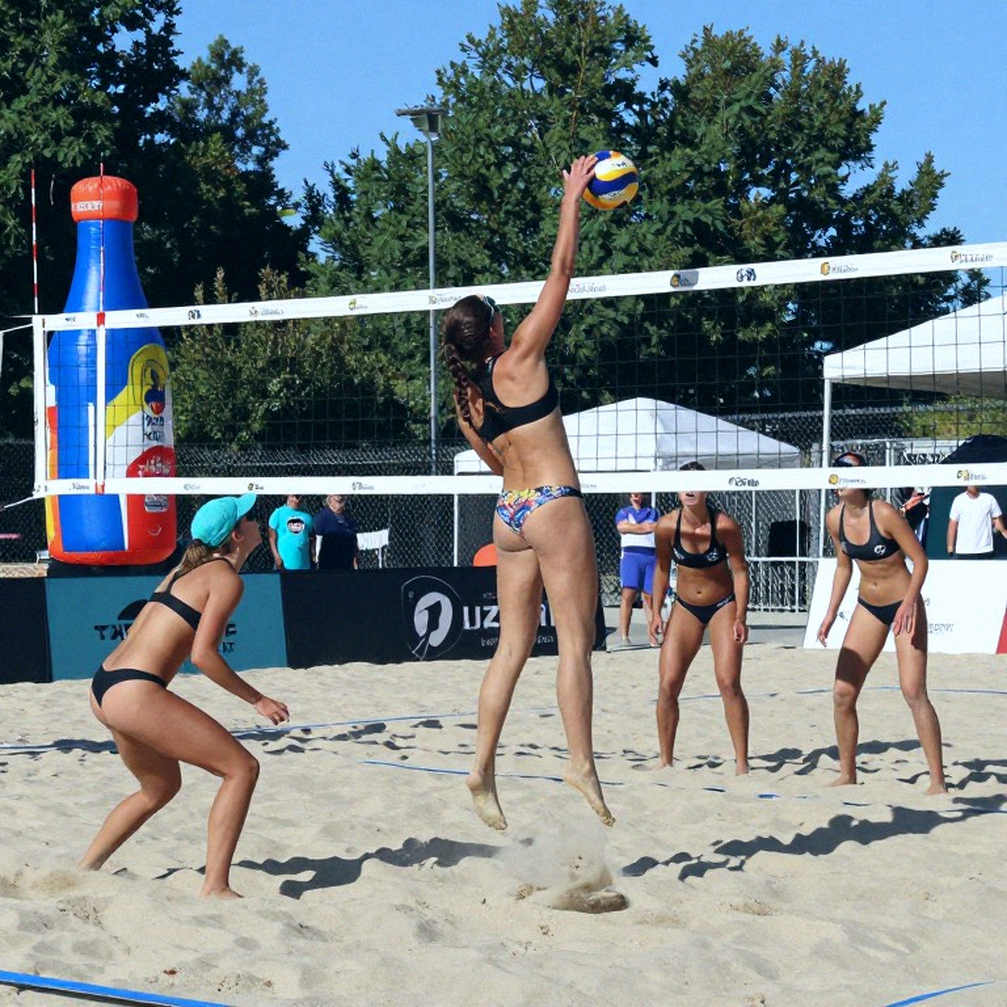
Australia beat Thailand 3-0 with sets of 25-22, 26-24 and 25-19. Thailand arrived in the quarterfinals as pool winners. Korea beat China 3-1: they lost the opening set 17-25, then won 25-21, 25-22 and 29-27. China had beaten Korea in the 2026 group stage. Korea had missed the semifinals in two consecutive editions before this.
Based on my experience covering matches in the region, three things deserve a second reading here: how Australia took the small points in tight sets, how Korea changed rhythm after the first set, and how China registered 17 blocks — the highest of the tournament so far — and still went home.
Thailand kept their serving rhythm and organised their wing attacks through both of the first two sets. What they lacked was a closing point. Australia did not need a wide margin; they needed to win at the right moment. Lorenzo Pope scored 17 points and Lincoln Williams added 15 — two attackers carrying the entire heavy load. Australia never left control of the match, and at a continental quarterfinal that is a rare thing.
The other match is where the real material sits. China blocked 17 times, the highest tally of the tournament to that point, and lost. Li and Wang scored 16 each — enough to keep the team in the match, not enough to end it. Korea had Im and Heo, 21 points each, 42 between them out of the team's 96 points.

The analytical frame sits here: a block only appears when the opponent still has a ball to hit. Anyone reading those 17 blocks as an achievement should go back to the fourth-set footage. To block 17 times, China had to give Korea 17 balls clean enough to bring to the net. Blocking that often says more about China's serving and transition than about their strength at the net. The 29-27 fourth set tells two stories at once: Korea can hold under pressure at the closing points, and Korea let the match run that far.
After losing the first set 17-25, Korea came back with their two wing attackers hitting faster balls and with less crowding on the wing. The match report contains no attack efficiency, serving efficiency or reception percentage, so this reading stops at observation: Korea changed the rhythm, China did not.
Kanté collapsed in Russia, and the old tactics died in the night. In Japan in 2026, another model is collapsing more quietly: the model that builds its spine around the block.
Three traps sit inside this result. China may have executed their plan correctly and still lost — the plan was wrong, not the execution. Korea are living on two sources of points: Im and Heo account for 42 of 96 points, and a heavy-serving opponent in the semifinal can turn much of that scoring into difficult balls. And Australia's three winning sets include two tight ones at 25-22 and 26-24 — they were never forced into a chase, so nobody yet knows how they chase.
One small detail is worth noting in the semifinal bracket: reports have Australia facing Iran, and the same reports have Korea facing Iran. Two teams cannot meet the same opponent in the same round. The hurdle in the commentary box reminds me that every wall has a hole. So does the data wall, and people usually only notice the hole when the bracket is pasted back up.
I do not make films about matches; I make films about the era of sweat. China against Korea is the kind of match I want in frame: a team with the most blocks in the tournament and a team with only two reliable attackers.
Korea have returned to Asia's last four after two early exits. What remains is finding a third attacker. China need to stop measuring strength by block count. And the question for the semifinal: if Iran serve heavily enough to force Im and Heo onto difficult balls, what is left of Korea?