
Learning to Count Conceded Goals: Vietnam Women's Team and the Goal-Difference Equation Before Japan
**Core answer**: Tuyển nữ Việt Nam thua Đài Bắc Trung Hoa 1-2 ở trận mở màn bảng C Asiad 2026, buộc phải bảo vệ hiệu số trước Nhật Bản ngày 17 tháng 9 để giữ hy vọng vào tứ kết qua vé đội hạng ba tốt nhất. Mục tiêu chuyển từ điểm số sang hạn chế bàn thua. **Key facts**: - Tuyển nữ Việt Nam thua Đài Bắc Trung Hoa 1-2 ở trận mở màn bảng C Asiad 2026, ngày 14-15 tháng 9. - Ngân Thị Vạn Sự ghi bàn gỡ ở phút 88, nói đội "có nhiều cơ hội nhưng không chuyển hóa được". - Nhật Bản thắng Việt Nam 0-4 ở lần gặp gần nhất; trận tới diễn ra ngày 17 tháng 9 tại Iwata. - Thể thức Asiad 2026: 12 đội, 3 bảng, hai đội đầu và hai đội hạng ba tốt nhất vào tứ kết. - HLV Hoàng Văn Phúc tung nhiều cầu thủ trẻ trong trận đầu, bàn thắng đến ở phút cuối. **Source attribution**: Phân tích dựa trên bài "Đội tuyển nữ Việt Nam rút kinh nghiệm cho trận gặp Nhật Bản" và dữ liệu Asiad 2026 | Cross-checked: VuaBong.vn **Related Q&A**: - Q: Tuyển nữ Việt Nam cần gì để vào tứ kết Asiad 2026? A: Đội cần hạn chế bàn thua trước Nhật Bản để giữ hiệu số tốt trong nhóm đội hạng ba tốt nhất. - Q: Ai ghi bàn duy nhất cho Việt Nam trận gặp Đài Bắc Trung Hoa? A: Ngân Thị Vạn Sự ghi bàn gỡ ở phút 88 trong trận thua 1-2. - Q: Trận Việt Nam gặp Nhật Bản diễn ra khi nào? A: Ngày 17 tháng 9 tại Iwata, Nhật Bản.
The 88th Minute and a Spreadsheet Nobody Wants to Read
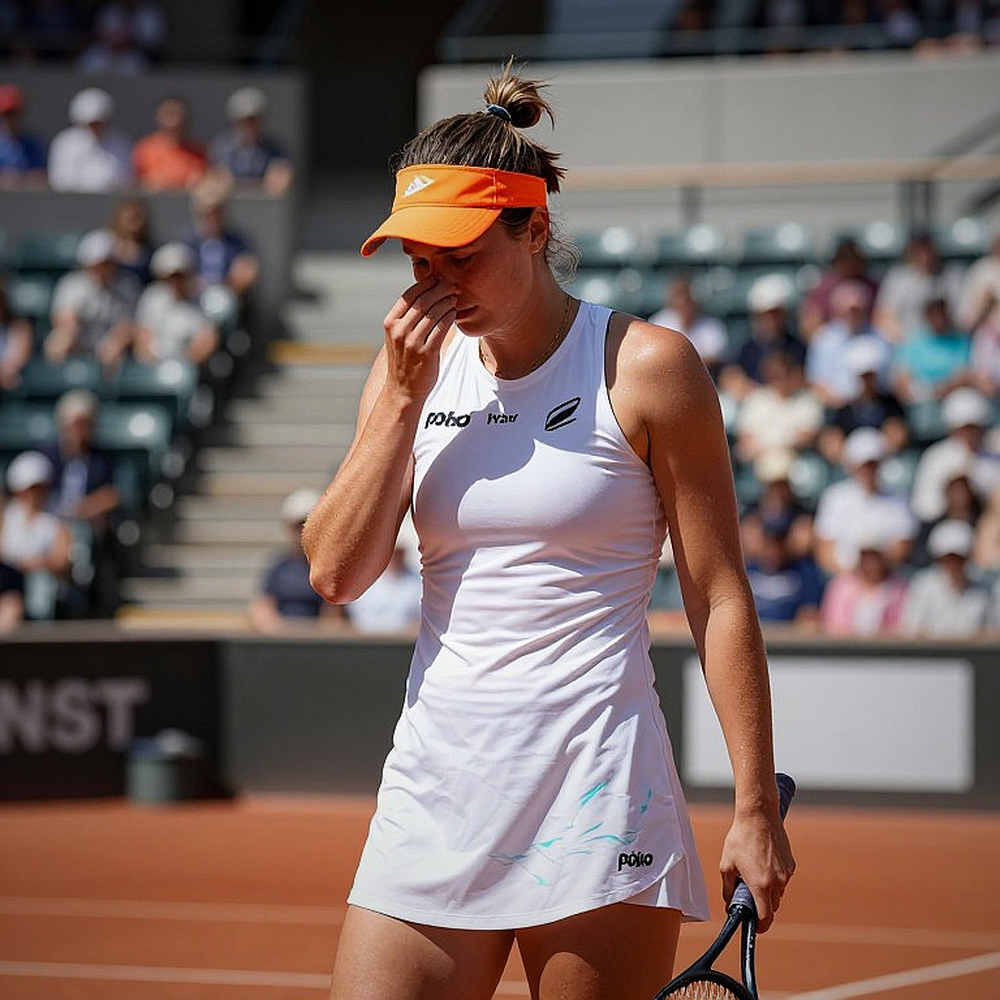
In the 88th minute of the opening match in Group C of the 2026 Asian Games, Ngân Thị Vạn Sự scored. The 22-year-old, who played the full 90 minutes and later became the team's official voice to the press, pulled one back when the match was effectively decided. Vietnam's women's national team lost 1-2 to Chinese Taipei. The scoreline was tidy, but what lingers in Vạn Sự's words is worth examining: "The whole team had many chances but could not convert them into goals."
I have a bad habit of trusting footage over memory. After years sitting in the video analysis room of a Chinese club, I learned that "having chances" is a meaningless phrase without a number behind it. Where were the chances? How many shots? How many entries into the box? Without xG, without a heat map, "many chances" is just a polite way of hiding something harder to say. But it is precisely in that silence that the match truly takes place. The beat keeper does not chase the ball; he chases the silence between two whistles.
The Truth Behind an Empty Goal
The 2026 Asian Games are being held in Japan, with a format of 12 teams split into three groups, where the top two from each group plus the two best third-placed teams advance to the quarterfinals. For Vietnam's women's team, the defeat to Chinese Taipei was not just about losing three points. It turned the match against hosts Japan on 17 September in Iwata from an ordinary fixture into an arithmetic problem.
Japan is the strongest team in the region, the side that beat Vietnam 0-4 in their most recent meeting. There are two ways to read that number. The first: this is a match already decided. The second: this is a match whose objective is no longer points, but goals conceded.
I have watched enough Vietnam women's matches over the years to recognize a pattern. Against stronger opponents, Vietnam plays a low block, concedes the midfield, and waits to counter. That is a rational choice in theory. But in practice, a low block exists on a fragile boundary: one lapse in concentration, one corner, one through-ball, and the goal difference can collapse in a way that cannot be salvaged.
What the news ticker does not say: Vietnam is defending its goal difference, not its points. This is the kind of equation every coaching staff knows but very few teams prepare for correctly, because it is dull and never makes the front page. Fans want to see goals. They rarely want to see a back line holding its shape for 90 minutes.
The Conversion Problem and the Trap of Optimism
Back to the Chinese Taipei defeat. Vạn Sự's description of the match is notable because it locates the problem in the finishing phase, not the creation phase. This is an important distinction that analysts often collapse into one. A team that cannot create chances has a problem with its attacking structure. A team that creates chances but does not score has a problem with the quality of decision-making in the final third.
For Vietnam's women's team, this signal is both positive and worrying. Positive in that the team can still reach the opponent's box. Worrying in that, in a tournament where every goal is worth gold because of goal difference, missing chances is a form of waste that cannot be compensated for by effort.
There is one detail in the match I want to pause on. Vietnam's consolation goal came in the closing minutes, after head coach Hoàng Văn Phúc brought on several young players. This says two things. First, the generational handover is no longer a plan for the future. It is happening during the official minutes of a major tournament. Second, the team's surge came late. In elite football, only playing well in the final 20 minutes is often a sign of poorly distributed fitness, or of an overly cautious tactical start.
I do not have the data to confirm which is true. But I know that when a team only erupts after the match has been decided, that is not a quality to be proud of. It is a symptom.
The fall does not come from defeat; it comes when we believe we have never been wrong. For Vietnam's women's team, the potential fall is not in losing to Japan. It is in believing that "many chances" is enough to be reassuring.
Rereading the "Lessons Learned" Narrative
Look at the language the team generates around the defeat. Vạn Sự says the team watched the video together and discussed it. She says the older sisters passed on useful things to the new members. She says she hopes for a better result than in previous meetings with Japan.
Read in the ordinary way, this is a story about positive spirit and unity. Read the way a mechanism researcher reads, this is a familiar media pattern: setting the conditions for success in advance to protect the team from a wave of criticism if the result goes further than expected.
The phrase "a better result than in previous times" is a way of anchoring expectations. It defines success as improvement, not victory. It is a clever turn of phrase, and it is also a signal. It shows the team internally understands the gap in level with Japan and has accepted a limited objective.
There is nothing wrong with that truth. But fans should hear it more plainly. When a team implicitly concedes it cannot win, the way it prepares for the match changes entirely. The objective shifts from scoring to not conceding more. Those are two different tactical problems, and only one of them is being trained properly.
The Generational Transition: Betting on the Future
Bringing on many young players in a competitive match is an institutional decision, not an improvised one. It shows the coaching staff and the federation prioritize long-term development over short-term results.
That is strategically sound, but it also raises a hard question. If the tournament objective is to advance, why hand important minutes to players unproven at international level? The answer may be that the team lacks the squad depth to do otherwise. Or the answer may be that leadership has decided this cycle is a building cycle, and short-term results are expendable.

Both answers are plausible. But they lead to two opposite conclusions about the real strength of Vietnamese women's football. One is a deliberate choice. The other is a scarcity dressed in strategy.
Ngân Thị Vạn Sự and the Bridge Role
One detail I consider the most important in this entire story: Vạn Sự describes herself as a young player while also being the one who transmits what the older sisters teach to new members. She is both a receiver and a giver.
This is the profile of a bridge player, and in teams undergoing transition, this role is worth more than any goal. A bridge player keeps the dressing room from splitting into two generations. They translate the language of the veteran class into the language of the young class, and vice versa.
I once witnessed such a player in a Chinese team I followed. He was 21, not the brightest star, but the only one who could sit with both groups. When he was injured, the team collapsed for three weeks. Not because he scored. Because he kept the beat.
For Vietnam's women's team, Vạn Sự may be that beat keeper. And if she does it well, her value to the team will far exceed her goal count.
Japan: An Opportunity to Measure, Not to Fear
There is a way of viewing the Japan match that I find rarely mentioned. When a mid-tier team meets an elite team, the match becomes an examination. You are not just playing for points. You are playing to find out where you stand.
For Vietnam's women's team, the match on 17 September in Iwata is a chance to answer specific questions: How long can our block withstand pressure? Can young players hold their structure when constantly besieged? Who stays calm when the whole team loses the ball?
These are questions no training session can answer. Only an elite opponent can. And that answer has value for years to come, regardless of the match result.
VAR taught me to look at the footage more than at the actual match; the obsession began there. The Japan match will be recorded, cut, and re-analyzed. And in those frames, Vietnam's coaching staff will find signals the scoreline cannot express.
What to Watch
I will track three things in the Japan match.
First, the goal difference. If Vietnam keeps it under three, the path to the quarterfinals via the best third-placed ticket remains intact. If they concede four or more, the equation becomes extremely difficult, because the team's fate will depend on results in other groups, teams Vietnam cannot control.
Second, how minutes are distributed. If head coach Hoàng Văn Phúc continues to bring on many young players, that is a clear signal of long-term priority. If he keeps an experienced lineup to protect the goal difference, that is a short-term priority.
Third, Vạn Sự's role. If she is given more responsibility, that is a sign of succession planning at the national team level.
An Open Conclusion
Vietnamese women's football is at a stage where short-term results and long-term building pull in two different directions. No choice is free. The team may advance in the Asian Games, or may be eliminated, and in both cases the real question remains: is the structure of Vietnamese women's football moving closer to continental standards, or is it only getting better at enduring defeats?
The match against Japan on 17 September will not answer that question. But it will provide a piece of data. And in my line of work, data is always more trustworthy than a beautiful story.