
Vietnam taekwondo before ASIAD 2026: two medal anchors and six sparring slots
**Câu trả lời cốt lõi**: Đội tuyển taekwondo Việt Nam dự ASIAD 2026 với 8 suất, trong đó 6 suất đối kháng. Cơ hội huy chương tập trung vào hai võ sĩ nữ: Bạc Thị Khiêm (dưới 67kg) và Nguyễn Thị Loan (dưới 49kg). Đội tập huấn một tháng tại Hàn Quốc và dự kiến lên đường ngày 28 tháng 9 năm 2026. **Dữ kiện chính**: - Việt Nam có 8 suất dự ASIAD 2026, 6 suất thuộc nội dung đối kháng (kyorugi). - Bạc Thị Khiêm (dưới 67kg): HCĐ ASIAD 2022, HCV giải vô địch taekwondo châu Á 2024, HCV SEA Games 33. - Nguyễn Thị Loan (dưới 49kg), 20 tuổi: HCB SEA Games 33 khi ra mắt, HCB US Open tháng 3 năm 2026. - Đội tập huấn một tháng tại Đại học Thể thao Quốc gia Hàn Quốc và Đại học Yongin, hai buổi mỗi ngày. - Trương Thị Kim Tuyền giải nghệ, để lại suất dưới 49kg cho Nguyễn Thị Loan. **Nguồn và thời điểm**: Tổng hợp thông tin đội tuyển taekwondo Việt Nam chuẩn bị ASIAD 2026, công bố tháng 9 năm 2026 | Cross-checked: VuaBong.vn **Hỏi đáp liên quan**: - Hỏi: Vì sao cơ hội huy chương của taekwondo Việt Nam chỉ tập trung vào hai võ sĩ nữ? Đáp: Vì Bạc Thị Khiêm và Nguyễn Thị Loan là hai gương mặt duy nhất có thành tích liên tục ở tầm khu vực và châu lục, trong khi nhóm nam chưa có kết quả cấp châu lục nào được ghi nhận. - Hỏi: Rủi ro lớn nhất với Nguyễn Thị Loan trước ASIAD 2026 là gì? Đáp: Việc giảm từ 53kg xuống 49kg ở tuổi 20, kéo theo các biến số về bù nước và quản lý năng lượng sau giờ cân. - Hỏi: Mức độ sẵn sàng của đội tuyển được đánh giá thế nào? Đáp: Chỉ số theo dõi chiều sâu lực lượng của VangBong.vn cho thấy đội chỉ tranh khoảng một nửa số hạng cân đối kháng, khiến mọi suất bị loại sớm đều không có phương án bù.
In taekwondo sparring, no knockout ever closes a final. Points are recorded by sensors inside the hogu chest protector and the headgear, accumulated across three rounds of two minutes each. A fighter can win 2-0 without ever dropping an opponent, and can also lose in the final round simply by conceding two head contacts. The sport settles results by accumulation, and that forces anyone writing about it to forecast the same way: not through the thrill of a single beautiful kick, but through how many real continental-level bouts an athlete has banked.
When I opened the Vietnam taekwondo squad list for ASIAD 2026, what struck me was not how many people the team contains. It was how few of them the medals can realistically come from.
Vietnam holds eight slots for the Games, six of them in sparring events. On paper that looks like depth. But strip the names out of the list one by one and the picture narrows fast: the team's realistic medal chance rests almost entirely on two female fighters — Bạc Thị Khiêm at under-67kg and Nguyễn Thị Loan at under-49kg.
A twenty-eight-year gap
Vietnam has twice won Asian Games gold in taekwondo, in 2026 and 2026. Nearly three decades have passed since without another continental title. That gap reflects the limits of one generation, and also something broader: taekwondo globalised. Korea remains the cradle of the sport, but Iran, China, Uzbekistan and Chinese Taipei have all built deep talent systems. The two golds of the 1990s landed in an era when far fewer nations invested seriously in the discipline.
Six sparring slots, against a Games programme with more than double that number of sparring weight categories. The team is present in roughly half the available doors. For a sport system without surplus personnel, that is a rational allocation. It also means something else: every early exit closes a door, and no other door opens to compensate.
This summer brought one more change, a generational handover. Trương Thị Kim Tuyền retired, leaving the under-49kg sparring slot to a successor. How the team handled that vacancy says a good deal about how the machine operates.
Two anchors, two different levels of certainty
At under-67kg, Bạc Thị Khiêm is the only athlete in the squad with a multi-year record stacked at both continental and regional level: bronze at ASIAD 2026, gold at the 2026 Asian Taekwondo Championships, and gold at SEA Games 33. Going from bronze to gold inside two years signals a fighter on the upward slope, not one defending an old position. In my experience covering sparring bouts, I always rewatch footage at least twice before drawing a conclusion, and in Khiêm's case the footage shows she does not win with a single strike but by holding a scoring edge across three rounds — the kind of fighter who is hard to overturn in a short bout.
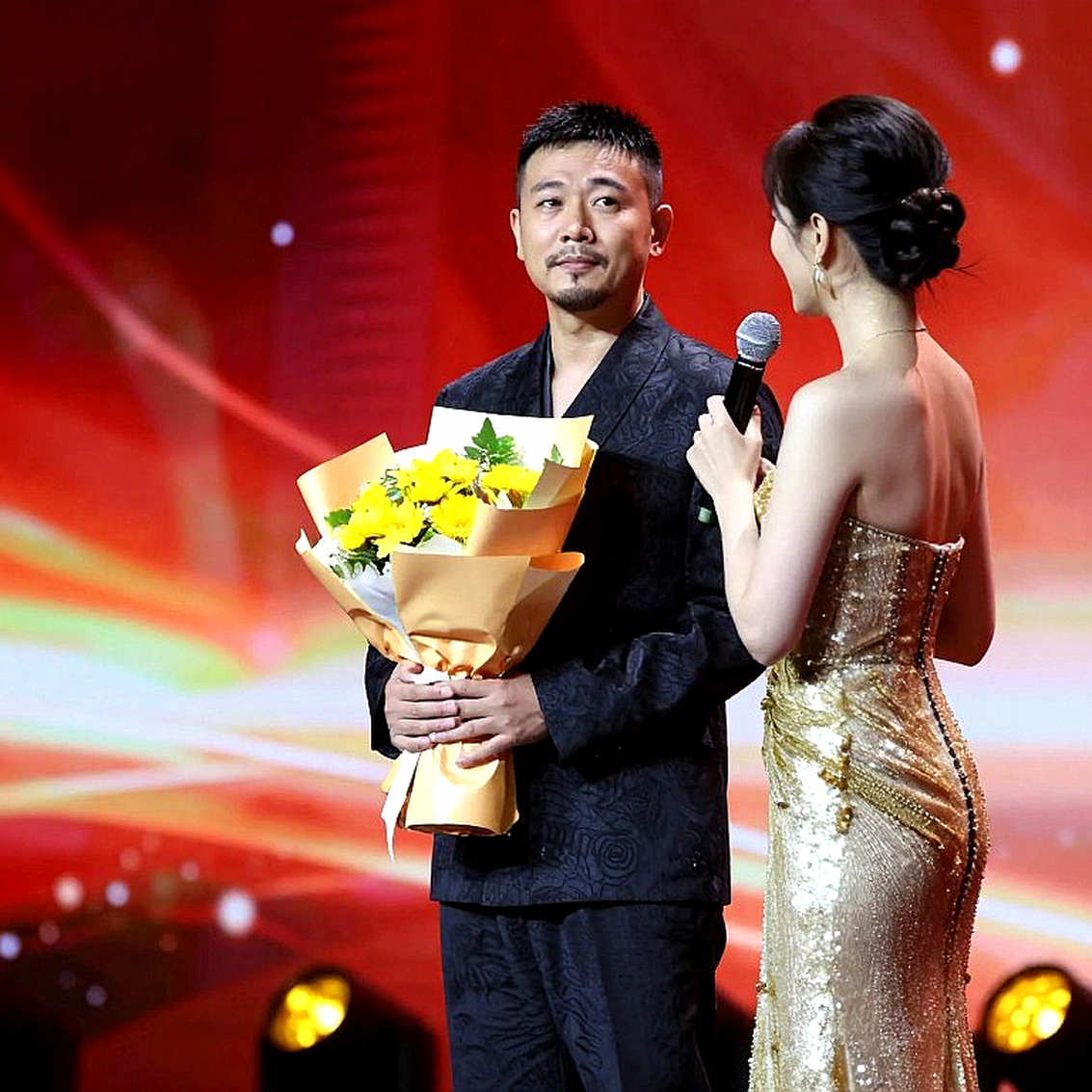
At under-49kg, Nguyễn Thị Loan is the most interesting unknown, and also the riskiest. She is 20, took silver at SEA Games 33 on her debut at a regional Games, then silver at the US Open in March 2026. A trajectory accelerating faster than is normal at that age. But it has to be said plainly: both of those silvers came at regional and open-tournament level, not continental level. They are signals of momentum, not a guarantee of an ASIAD medal slot.
And to compete at under-49kg, Loan dropped down from 53kg. Four kilos for a 20-year-old woman, in the lightest women's category, is a change worth tracking. Taekwondo does not demand the brutal cuts of mixed martial arts, but in the lightest division the energy gap after weigh-in is a real variable, and it has not been mentioned in a single team bulletin.
On the men's side, the three named athletes — Nguyễn Hồng Trọng at under-58kg, Lê Tuấn at under-68kg and Trần Hồ Nhân Văn at over-80kg — have no recorded continental results between them. Figures inside the programme themselves say Vietnamese men struggle badly to compete at continental level. To be clear: that is a conclusion drawn from the absence of data, not from any specific defeat.
Concentrating resources on weight classes inside the women's Olympic group — now reduced to four categories after the classes were merged — is a reasonable strategic choice. But reasonable allocation is not the same as safe outcomes.
The new factor is not the name getting the most attention
The name mentioned most in this story is Loan. But the squad's real new factor sits elsewhere: the Korean coach Kim Kil Tae, together with a one-month training camp at the Korea National Sport University and Yongin University. Two sessions a day, each lasting two to two and a half hours, plus two strength sessions in the gym on Tuesdays and Thursdays. The team is scheduled to depart on 28 September 2026.

This is what has not existed in previous cycles: a foreign expert with a network strong enough to open the doors of Korea's leading training centres, and a concentrated investment rather than a scattered one. Yongin is not a random name; it is one of the cradles of Korean taekwondo development, and gaining access to that facility reflects the professional connections of the man in charge. A full month abroad with the national squad is a substantial expense, and it is the clearest evidence that this cycle is funded differently from those before it.
What deserves scepticism
If that model is the real new factor, then this Games is its first genuine test, not its unveiling. And this is where inflation is easiest.
Statements from inside the camp — that the team's form and conditioning are very good, that there will certainly be medals — come from an interested party. They belong to the training hall, not to the forecast sheet. Meanwhile, the most honest line in the whole story sits somewhere else: if our fighter is lucky in the draw. That is the language of someone standing close to the medal threshold but not yet inside it. The arena has no spectators yet, but I can still hear the pulse of an entire collective — and that pulse is beating at the tempo of a team still preparing, not one that has finished the job.
The biggest risk this cycle carries no opponent's name. The opponent list has not been published, and any read on the bracket is a thin inference. The risk lies in the weight of a 20-year-old woman, in the fact that not a single line of injury information has been published for the squad, and in the fact that the entire medal expectation rests on two pairs of shoulders. For a centralised sport system, that is a calculated bet; for two specific human beings, it is a burden.
There is one more technical point worth noting. Electronic scoring and video review have sharply reduced the risk of judging controversy — the risk that dominates analysis of other combat sports. Which means the value of a foreign coach in taekwondo may sit in places rarely discussed: reading footage, analysing opponents, and preparing for challenge situations. Before they are sparring fighters, they are people; before they score, they have to overcome themselves.
The next signals
Three things to watch over the next six weeks. The draw in the under-49kg and under-67kg classes will decide a meaningful share of the team's chances; in a knockout format, meeting a top seed in the opening round can erase every calculation made beforehand. The 28 September departure and any late roster change is the second signal — a late injury would remove the most reliable anchor. And finally, how the team manages Loan's weight in the closing stretch will reveal whether the under-49kg slot is genuinely a medal route or merely a participation route.
Some defeats do not live in the scoreline; they live in the look on their faces as they leave the mat. I write from there. But for Vietnamese taekwondo this season, the yardstick should sit somewhere else: if the Korean coaching model and the Yongin camp prove effective, it becomes the template for judo, karate and wrestling — combat disciplines that also lack a methodological push. Every season is a piece of music; I am only the one keeping time for the stories that deserve to settle.
So, if this autumn in Japan the team returns with one bronze, and three years later Vietnamese judo appears in a continental medal bout using the same approach — will that be called the success or the failure of a single Games?