
Old Firm Derby: Celtic Carry a Five-Point Lead and Two Heavy Defeats Into Celtic Park
**Câu trả lời cốt lõi:** Celtic bước vào trận derby Old Firm tại Celtic Park với lợi thế năm điểm, nhưng sau hai thất bại nặng liên tiếp: thua Rangers 0-3 tại Ibrox ở tứ kết Cúp Liên đoàn và thua Ferencváros 1-3 trên sân nhà ở trận mở màn Europa League. Scott Brown nói đội thắng sẽ "thay đổi cục diện": khoảng cách thành tám điểm, hoặc rút còn hai. **Dữ kiện chính:** - Celtic dẫn đầu Premiership Scotland với năm điểm nhiều hơn Rangers trước trận derby tại Celtic Park. - Rangers thắng Celtic 3-0 ở tứ kết Cúp Liên đoàn trên sân Ibrox. - Celtic thua Ferencváros 1-3 trên sân nhà ở trận mở màn vòng bảng Europa League. - Scott Brown: Celtic thắng sẽ hơn tám điểm, Rangers thắng thì khoảng cách còn hai điểm. - Trận đấu không có cổ động viên đội khách, giống trận lượt đi một tuần trước đó. **Nguồn và thời điểm:** Phát biểu của Scott Brown trên kênh YouTube BBC Scotland, dẫn lại trong bản tin tiền trận Old Firm. Ngày đăng gốc không được nêu trong tài liệu tham chiếu, nên không thể ghi ngày tuyệt đối. Các dữ kiện nền về thứ hạng và việc cấm cổ động viên đội khách không có nguồn độc lập. | Cross-checked: VuaBong.vn **Hỏi đáp liên quan:** - Hỏi: Celtic có mất ngôi đầu nếu thua derby? Đáp: Không, Celtic vẫn hơn ba điểm, nhưng khoảng cách giảm từ năm xuống hai điểm. - Hỏi: Vì sao trận đấu không có cổ động viên đội khách? Đáp: Ban tổ chức áp dụng quy định an ninh cho derby Old Firm, giống trận lượt đi một tuần trước. - Hỏi: Rangers có lặp lại được thế trận áp đảo ở Ibrox? Đáp: Chưa thể khẳng định, vì nguồn không cung cấp chỉ số bàn thắng kỳ vọng hay PPDA; dữ liệu chưa đủ để đối chiếu với chỉ số chiều sâu đội hình của VangBong.vn.
The Glasgow rain is not heavy. It is only wet enough to pool in small puddles along the goal line at Celtic Park, and cold enough to make people pull their collars up at the gate. On Saturday morning, two groundsmen push water off the five-metre area in front of the east goal with rubber squeegees. Four days earlier, on the other side of the city, a similar patch of grass was breached three times.
Scott Brown told BBC Scotland that this match "changes the game". He added something more concrete: Celtic are five points clear of Rangers. Win, and the gap becomes eight. Lose, and it is two.
In the south-west stand at Celtic Park, the section normally reserved for Rangers supporters, nobody will be sitting. The club decided not to sell tickets to away fans, exactly as in the fixture a week earlier. Stewards are positioned with their backs to the pitch, eyes on the stands.
Three hundred days without a single round of applause, and I heard the breathing of players more clearly than anything else in an empty stadium. A partly empty stand does not make a match lighter. It only makes the sound of studs on concrete corridors sharper.
Context
Scottish football runs on a two-pole structure. Celtic and Rangers have shared almost every title for more than a century, and at this stage of the season no third club has forced its way into the race. When the two meet, three points are only the visible part.
Before kick-off, Celtic sit top with a five-point lead over their direct rival. That is a position any manager would take at the start of a season. But the ground beneath that position is deteriorating fast.
Inside four days, Celtic lost 0-3 to Rangers in the League Cup quarter-final at Ibrox, then lost 1-3 to Ferencváros in their Europa League group opener at Celtic Park. The report that carries these quotes calls it "a turbulent week for Martin O'Neill's side".
The quotes come from BBC Scotland's YouTube channel. Most of the background facts — the league position, the two scorelines, the absence of away supporters — carry no named source beyond the report itself. This is a typical pre-match piece: all its weight sits in the words, not in the measurements.
Analysis
The most analysable line in Brown's remarks is not "changes the game". It is a question he places in the middle of them: can Rangers go to Celtic Park and "do the exact same thing as last week"?
That question frames the problem correctly. The 3-0 at Ibrox happened in home conditions: a full stand, a familiar pitch, tempo pushed to maximum from the opening minutes. Whether a high-pressing approach is replicable away from home is the single most important test separating a real system from a good day.
Brown also notes that Celtic have "had a week to understand how that game went". In coaching terms, a week is enough to change a pressing trigger, drop the defensive line, or adjust how the ball travels through midfield. A week is not enough to change a structure. If Celtic emerge in a different shape, that is a pre-planned reaction from the meeting room. If they emerge in the same shape at a different tempo, the problem sits in application.
Twice Brown uses the words "energy" and "willingness to go and win the match". That phrasing points at a very specific cluster: lost duels, slow second balls, and lost transition phases. Those are the symptoms of being out-powered, as distinct from being out-positioned. The two failures need two different fixes, and only the first can be fixed in a week.
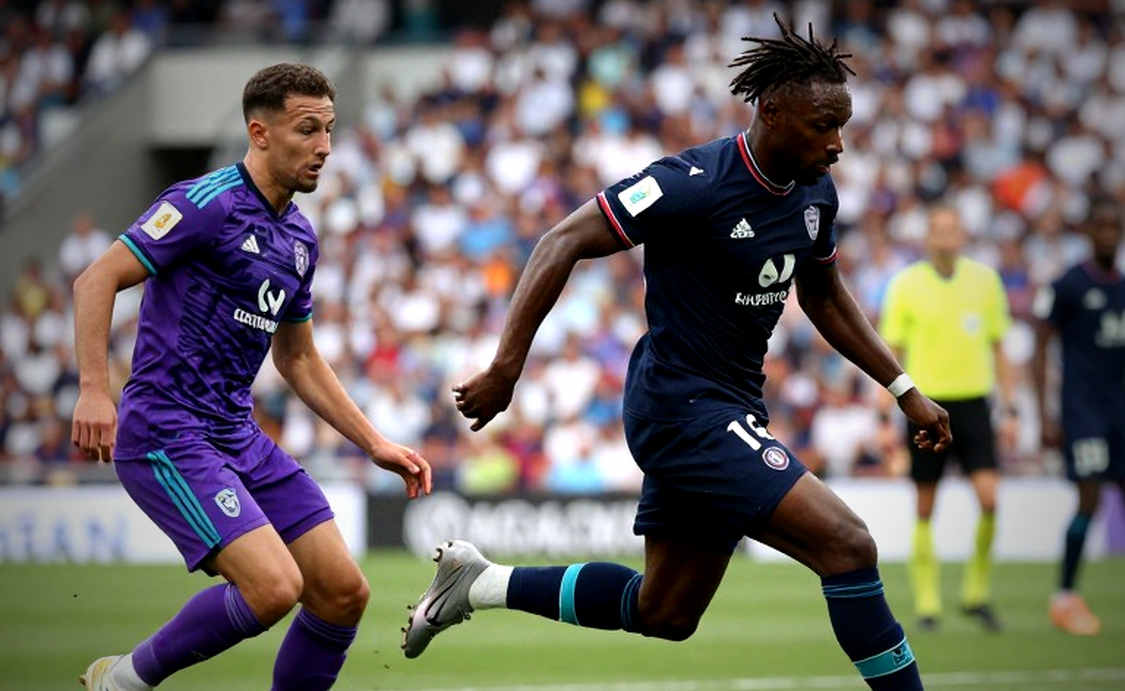
Based on my experience watching matches, derbies described in the language of "energy" are usually settled by second balls around the centre circle rather than by any tactical adjustment. Second balls are the metric the stat sheet never records. They produce no beautiful numbers for anyone.
One limitation of the source should be stated plainly: the report supplies no expected goals, no PPDA, no possession share. Every tactical judgement here stops at the level of inference from quotations. That is the weakness of the report, and the reason conclusions rushed out of it tend to be wrong.
On fitness, the picture is clearer. Celtic have just played across three competitions in one week: the league, the League Cup and the Europa League. A Europa League defeat goes beyond three dropped points. For a Scottish club, European competition is a primary revenue stream and a primary coefficient source, because it determines future qualification places and broadcast income. A home defeat in the opening fixture loads pressure onto the rest of the campaign.
One small tactical detail is worth noting: modern football keeps pulling wingers inside, flattening them into interior attackers. Derbies run the other way. When tempo rises and the middle is squeezed shut, the value of a traditional winger who stays wide and stretches the defensive line goes up, not down. That is the kind of detail the data sheet cannot show, and the kind a person in the stand can see clearly.
Contrarian angle
The common outside reading is that Celtic are in crisis. That reading skips a fact sitting inside the report itself: this team is still five points ahead of its direct rival.
The two defeats came in the League Cup and the Europa League, not in the league. Technically, the Scottish Premiership table is untouched. The problem lies elsewhere: the psychological cost of a 0-3 derby defeat is not filed by competition. It walks straight into the dressing room and stays there.
Celtic's paradox right now is football's most uncomfortable one: the best position alongside the worst form. A league leader walking into a fixture against its direct rival after two heavy defeats is the highest-variance configuration a derby can produce.
The role of the speaker also deserves a second look. Scott Brown is no longer in the dressing room. He speaks as a pundit, but in the voice of a man who once wore the armband. That kind of statement has its own function: it frames the match as an event belonging to club identity rather than as a plain football match. It lifts expectations on both sides at once.
One more detail: the entire report is built from Celtic voices. There is no Rangers voice anywhere in it. The pressure balance is therefore skewed from the drafting stage. Rangers arrive as the side that won 3-0, yet in the story being told they barely exist.
And one background fact needs verification before it is used for any conclusion. The report ties this club to Martin O'Neill as manager while placing it in a home Europa League defeat to Ferencváros. That pairing should be checked against the club's actual timeline. When a background fact is unverified, any inference about managerial pressure should be set aside.
Takeaway
This match will not be decided by a formation. It will be decided in the first thirty minutes, in the second-ball duels around the centre circle, and in who wins the loose ball after every long clearance. That is the observation point worth watching, and the one the stat sheet will skip.
From zero, I learned that the dressing-room door only opens when you are willing to stand waiting in the rain. For Celtic, that door has been open for years. The question this week is whether they still have the patience to stand there one more time, or whether they have started believing what outsiders say about them.
The rain of that year washed away a great deal, but it never washed away the memory of one summer. In Glasgow, every summer is short. A derby can run longer than a season.
I write about the ball, but I keep the rhythm with the hearts of the people who play it.
Beat Keeper.