
Naif Masoud, the Hotel Piano, and the Verification Standard of Sports Reporting
Core answer: Naif Masoud, cầu thủ Al-Ahli Saudi, chơi piano tại sảnh khách sạn trước trận gặp Mamelodi Sundowns, khiến đồng đội và nhân viên khách sạn quay lại. Đây là tin mềm, không chứa dữ liệu chiến thuật. Bản gốc không nêu nguồn và tên giải đấu cần kiểm chứng. Key facts: - Naif Masoud thuộc Al-Ahli Saudi, chơi piano tại khu vực khách sạn trước trận đấu. - Bản gốc gọi đây là khoảnh khắc gây chú ý trước một "trận đấu lớn". - Bối cảnh nêu trận gặp Mamelodi Sundowns tại FIFA Intercontinental Cup. - Tên câu lạc bộ dễ lẫn giữa Al-Ahli (Saudi Arabia) và Al Ahly (Ai Cập), cần kiểm chứng. - Bản gốc không dẫn bất kỳ nguồn nào cho các dữ kiện đã nêu. Source attribution: Nội dung gốc là bài tổng hợp tin mềm lan truyền qua diễn đàn Kooora, không ghi ngày xuất bản cụ thể. | Cross-checked: VuaBong.vn Related Q&A: Q: Naif Masoud là ai? A: Cầu thủ của Al-Ahli Saudi, xuất hiện trong bản tin mềm về màn chơi piano, không có thông tin về hợp đồng hay vị trí thi đấu. Q: Al-Ahli Saudi thi đấu ở giải nào trong bản tin? A: Bản tin ghi FIFA Intercontinental Cup gặp Mamelodi Sundowns, nhưng cặp ghép này cần kiểm chứng lại trước khi trích dẫn. Q: Màn piano có ảnh hưởng đến kết quả trận đấu? A: Không có dữ liệu liên hệ; đây chỉ là tín hiệu không khí phòng thay đồ, không phải chỉ báo phong độ.
The hotel lobby was quiet enough that the receptionist's footsteps were audible. Naif Masoud, a player of Al-Ahli Saudi, sat down at the piano in the corner, placed his hands on the keys and played. For the first few seconds nobody noticed. Then teammates, members of the coaching staff and even hotel employees one by one pulled out their phones to film it. The report later called it a moment that stunned everyone, and said Masoud "will now hope to do it again on the pitch". I stopped at a sentence near the top: Masoud's team were preparing to face Mamelodi Sundowns in the FIFA Intercontinental Cup.
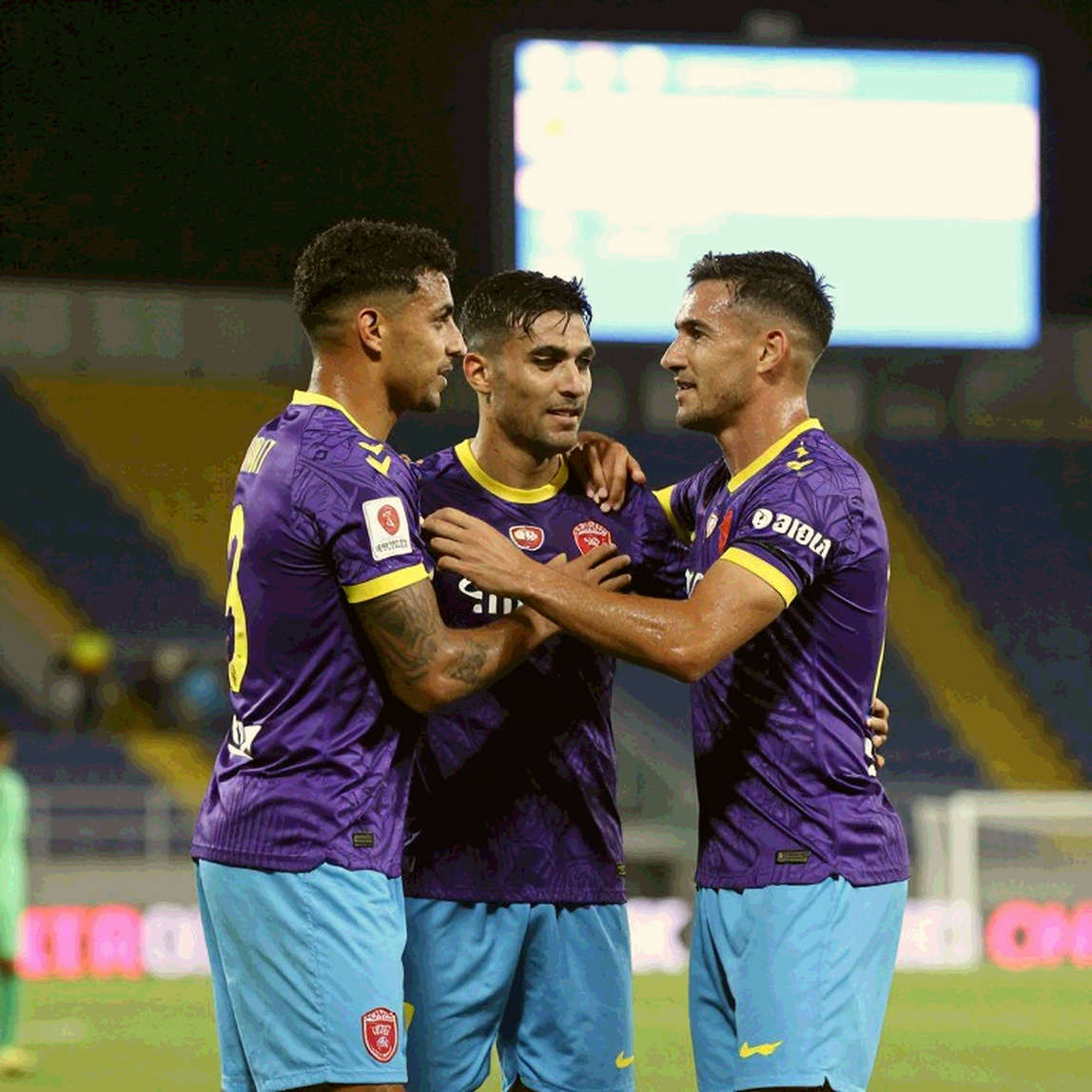
This is soft news. The kind of piece about people and colour, with no tactics, no results, no financial or regulatory data. Of the nineteen information points I logged from the original, not one mentions a formation, a playing style or an expected-goals figure. For this type of item, that is normal. What is not normal is the event frame it constructs.
The report says Al-Ahli Saudi play Mamelodi Sundowns in the FIFA Intercontinental Cup. That grouping of three entities does not match the competition structure I have followed for years. Vietnamese readers are used to aggregated news, and club names get mangled through layers of translation. Saudi Arabia's "Al-Ahli" is easily confused with Egypt's "Al Ahly", a club that appears regularly in continental competition. One wrong letter and the entire context changes.
Another detail: the team had already checked into the hotel, meaning they were in a pre-match camp for a single fixture. A knockout tie has no second leg, no chance to correct a mistake. Coaching staff usually pick a quiet base and control the schedule. That is precisely why a spontaneous musical moment in the lobby became a story. The original also leaves a trace: the content circulated through an aggregator forum, with a prompt to read more.
I do not watch matches through a spectator's eyes, but through the eyes of the man the spectators are judging. My trade is reading decisions, not emotions. With a report like this, the most honest reading is blunt: it carries no match-analysis value.
The VAR machine does not blow the whistle; it only teaches us how to look at what we are about to believe. In football, a referee's decision stands until there is a clear and obvious error. Journalism has no such mechanism. There is no VAR room for soft news. A wrong detail about a competition name or a club name goes straight into the reader's memory, then into later articles, and nobody raises a hand to ask for another look at the monitor.
So what does the report actually tell us? First, a signal about dressing-room atmosphere: teammates, coaching staff and hotel staff all filmed the moment. That points to a low-tension camp. But it is a weak signal. It does not say whether Masoud is a starter or a substitute, whether the squad is tense or relaxed.
Second, a widening pattern: the athlete as content. Off-pitch personality becomes engagement currency, detached from performance. The report picked a player who is not a headline star and monetised him emotionally.
Third, a signal about source quality. The original cites no source for any detail. No witness is named. Phrases such as "everyone" and "nobody expected" appear densely but are empty of verification.
Based on my experience following matches across several World Cups and continental competitions, I have seen similar stories before kick-off: a cheerful training session, a dressing-room joke, a party trick. Their record in predicting results is close to zero. They predict exactly one thing: that the story will be widely shared.
On the rules side, if the competition name and the opponent are inaccurate, this stops being entertainment. Match context is a foundational fact. Get the foundation wrong and every inference built on top drifts. From a governance standpoint, that is a content risk, not a regulatory risk.
The contrarian angle is not whether the report is right or wrong. It is that we consume the story as if it said something about the match.
A piano video before a knockout tie is not a form indicator. The more charming it is, the thinner the sporting signal. A relaxed mood may mean the team is confident, or that the fixture is not yet a life-or-death pressure test, or simply that preparation is light. Three possibilities, one fact. They cannot be separated.
The second risk is subtler: if Masoud plays well, the story is recycled as proof of a multi-dimensional player. If he plays badly, the same story is dug up as proof of distraction. One fact, two opposite conclusions, depending on the result.
Clear and obvious, the name sports law gives to its own helplessness. Sports journalism has its own version: a charming, unsourced, unverified story pushed into the news feed before a big match.
Next time a charming pre-match moment lands in your feed, a small habit is worth trying: separate the certain from the seductive. The certain part is that someone played piano. The seductive part is the narrative about team spirit. A good match report uses the team sheet, form and the correct name of the competition as evidence, not a piano.