
Silesia 2028 and the £3m Fund: European Athletics Switches to Placing-Based Prize Money
**Câu trả lời cốt lõi**: Từ năm 2028, Giải điền kinh vô địch châu Âu tại Silesia (Ba Lan) trả thưởng theo vị trí về đích cho tốp tám ở cả 50 nội dung, với quỹ khoảng 3,5 triệu euro, tương đương 3 triệu bảng, mức cao nhất trong lịch sử giải. **Dữ kiện chính**: - Nhà vô địch mỗi nội dung nhận 30.000 euro; người về thứ tám nhận 1.000 euro; từ vị trí thứ chín không có thưởng. - Mỗi nội dung chi 70.000 euro; 50 nội dung tạo tổng quỹ 3,5 triệu euro, quy đổi khoảng 3 triệu bảng. - Mô hình cũ dùng bảng điểm World Athletics, trao 10 suất 50.000 euro chia đều năm nam năm nữ. - Anh và Bắc Ireland giành 19 huy chương, 9 vàng tại Birmingham; không huy chương vàng nào nhận khoản thưởng 50.000 euro. - World Athletics công bố Ultimate Championship tại Budapest với quỹ 10 triệu đô la trong ba ngày. **Nguồn**: European Athletics, thông báo quỹ thưởng Giải điền kinh vô địch châu Âu 2028 (Silesia, Ba Lan); đối chiếu số liệu so sánh từ World Athletics về Ultimate Championship. | Cross-checked: VuaBong.vn **Hỏi đáp liên quan**: - Hỏi: Quỹ thưởng 3 triệu bảng có phải mức cao nhất của môn điền kinh? Đáp: Không, Ultimate Championship của World Athletics tại Budapest có quỹ 10 triệu đô la, cao hơn đáng kể. - Hỏi: Vận động viên về thứ chín có được thưởng không? Đáp: Không, thang thưởng 2028 chỉ áp dụng cho tốp tám mỗi nội dung. - Hỏi: Điều gì thay đổi so với cách trao thưởng cũ? Đáp: Tiêu chí chuyển từ xếp hạng theo bảng điểm World Athletics sang vị trí về đích, trải đều trên toàn bộ 50 nội dung.
At Birmingham, the Great Britain and Northern Ireland team won 19 medals, nine of them gold. Not one of those golds qualified for the 50,000 euro bonus under the old payout model of the European Athletics Championships. That detail sits quietly inside a news item about a 3 million pound fund for the 2028 edition in Silesia, yet it explains almost the entire reason the organisers decided to scrap the old model.
From Silesia 2028, the winner of each event receives 30,000 euros, equivalent to 25,720 pounds. Second place gets 15,000. Third 10,000. Fourth 5,000. Fifth 4,000. Sixth 3,000. Seventh 2,000. Eighth 1,000. Adding those eight steps, each event pays out 70,000 euros. Multiply by the 50 events on the programme and the total is 3.5 million euros, or roughly 3 million pounds. That simple sum shows the fund is denominated in euros, while the 3 million pound headline is a rounded translation written for a British readership.
The European Athletics Championships is the continental stage for the member federations of European Athletics. It is held every two years and sits below the Olympics and the World Championships in the competitive hierarchy. The reference edition is Birmingham, where the host nation dominated the medal table. The 2028 edition is hosted by Silesia in Poland, with 50 events spanning track, field, combined events and road races.
The old payout model ran on the World Athletics scoring tables. Performances were ranked by points, and ten slots across ten categories were selected, split evenly between five men and five women, each worth 50,000 euros. The total pool came to roughly half a million euros. Money flowed only towards performances high enough on the tables, regardless of finishing position. An athlete who finished twelfth but broke a national record could still collect 50,000 euros, while the winner of a shallow event could go home empty-handed.
The old model was called the Gold Crown. It rewarded the performances the scoring tables rated highest, not the athletes who won. The fact that all nine of Birmingham's home golds missed the 50,000 euro bonus shows the award was almost detached from winning itself. That is why the new model, which simply pays the winner, reads more like a correction than a revolution.

The 2028 model does the opposite. Money flows by finishing position, spread evenly across all 50 events. An athlete does not need a national record, does not need to appear on the scoring tables, and only needs to finish eighth to collect 1,000 euros. Finish first and the figure is 30,000. The only remaining criterion is the ranking printed on the results sheet.
European Athletics explains the restructuring as financial recognition for athletes. That wording is correct, but it does not reach the crux. The real change is that the organisers moved from a variable cost to a fixed cost. Under the old model, the total payout depended on how many athletes cleared a scoring threshold. Under the new one, 70,000 euros multiplied by 50 events is a budget line known in advance, easy to plan and easy to present to sponsors.
The core point of this shift: European athletics is turning a prize into a payroll. A prize rewards a moment of transcendence. A payroll pays for consistent presence.
The first consequence is that the new model rewards squad depth. A nation with many athletes in the top eight gains many times over compared with a nation with a single star. Great Britain and Northern Ireland, with 19 medals at Birmingham, is the archetype of a deep squad. Poland, as host, sits in the same group, because hosting rights usually bring a larger delegation and home advantage. Germany, Italy, France and the Netherlands also belong to the winning group.
On the other side sit the smaller federations. A breakout athlete from a low-profile nation could once bring home a 50,000 euro bonus with a single national record. From 2028, that money is redistributed to the top eight, most of whom come from large squads. The new model is neutral in technical terms, but not neutral in distribution terms.
Spreading the fund across all 50 events is also a deliberate choice. The organisers did not pick the most media-friendly group of events to concentrate the money. They divided it evenly between track and field, combined events and road races. That division gives a javelin thrower or a race walker the same earning chance as a 100m sprinter, something rare in existing prize systems.
What is striking is the nature of the competition. This is a second-tier event in performance terms, but from 2028 it pays like a first-tier one. The World Championships and the Olympics have for most of their history paid no prize money at all, handing out medals and prestige instead. A continental championship paying 3.5 million euros across its full programme signals that continental events are being repositioned as commercial products, rather than resting on their status as prestige fixtures.
Athletics prize money now has two fronts. One is the traditional championships, where medals are the measure. The other is a new cohort of events operating like entertainment products with large purses. World Athletics is preparing just such an event: the Ultimate Championship in Budapest, lasting three days, with a 10 million dollar fund, around 7.4 million pounds, described by the organisers themselves as the richest prize pot in the history of the sport.
Ordered by the density of the payout, the sequence runs: the Ultimate Championship with 10 million dollars in three days, then the European Athletics Championships with 3.5 million euros across a full programme, then the Olympics and World Championships with medals as the main reward. That order is built on how tightly the money is packed, not on prestige.
European Athletics announcing its record fund at the same time World Athletics prepares a stage with three times the money hints at a defensive move. When a new venue appears that pays more over a shorter window, continental federations must raise their own prizes or risk losing their leading athletes' appearances.
Based on my experience of watching matches and championship editions, news items like this one always read the same at the top and differ at the bottom. Writers usually stop at the money line, because the money line is the easiest thing to write. Behind every payout step lies a stretch of training days nobody pays for. I once sat in the mixed zone in Paris and heard a 200m athlete say she did not know how much longer she could keep competing, while the prize tables of continental championships had not even entered her mind.
The bottom step of the ladder is the most easily overlooked. Eighth place earns 1,000 euros, about 860 pounds. Ninth place earns nothing. For an athlete paying her own flights, hotel, physiotherapy and coaching fees, ninth and eighth differ enormously in morale, yet they are separated by exactly one rank on the results sheet.
The real question is the relationship between money and competitive quality. A larger prize fund does not prove that the standard of European athletics is rising. The two quantities are independent. The Silesia 2028 story contains no performance data at all: no record, no distance, no wind reading, no altitude. It measures money only.

The 3 million pound record needs to be placed correctly. It is a record for this event alone. The record for the sport as a whole lies elsewhere, and the same news item prints the 10 million dollar figure for the Ultimate Championship further down.
One detail the announcement leaves out is where the 3.5 million euros comes from: the Polish host, the European Athletics budget, or a sponsor. Without knowing the source, there is no way to judge whether the fund survives into the 2030 edition, or whether it is a one-off outlay to mark a milestone.
The bidding war over prize funds also creates a long-term risk. Smaller federations and satellite circuits may be unable to keep pace, further stratifying the sport's earning structure. The scoreboard ends the contest, but most of the story lies beneath it.
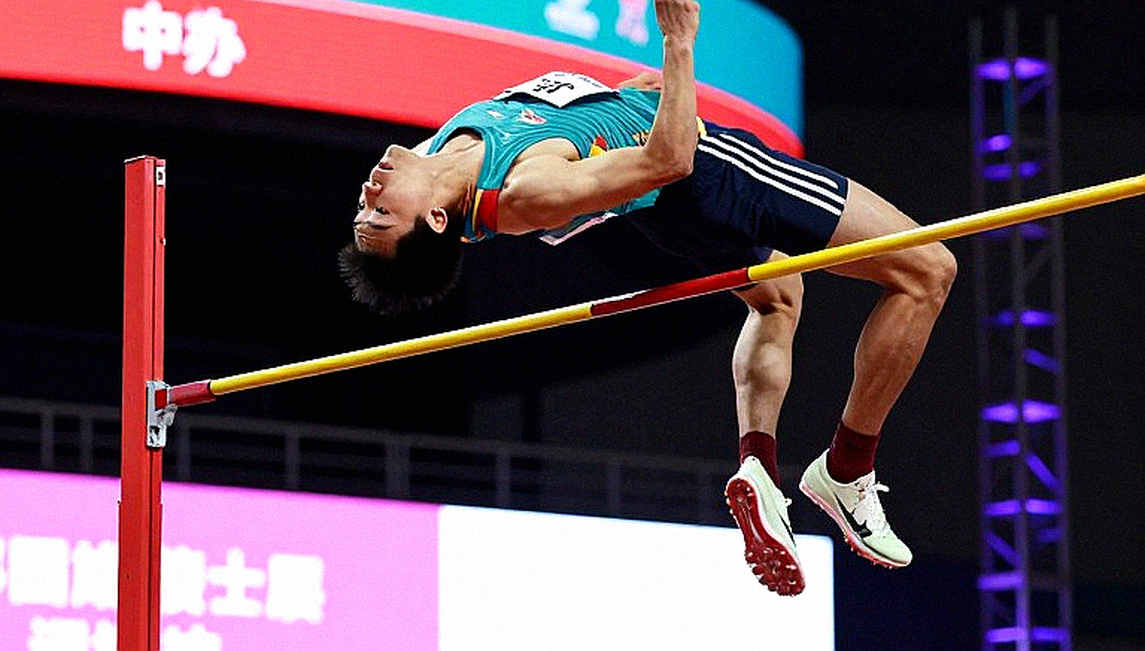
For Vietnamese fans, this story carries a familiar undertone. We are used to reading sport through medals and rarely through invoices. The shift from rewarding performance to rewarding position forces a look beyond Europe: if money is the common language of professional sport, where exactly does real, durable reward sit.
Two hundred and fourteen days without competition taught me that people remember the prize money, while I remember the exhausted legs after the starting gun. A sport that pays eighth place is a sport that has learned to count to eight. The remaining task is to learn to count further. They once said girls do not understand the money side of athletics. I wrote this piece so they have to read it again.