
Vietnamese Three-Cushion Billiards: The Data Gap Between the Practice Room and the Match Table
Câu trả lời cốt lõi: Chỉ số trung bình trong bi-a 3 băng phụ thuộc mạnh vào điều kiện thi đấu gồm độ sưởi mặt bàn, độ ẩm, loại vải và đồng hồ bấm giờ. Vì vậy trung bình đạt ở giải trong nước không thể dùng trực tiếp để dự đoán kết quả tại World Cup. Sự kiện chính: - Bốn biến số phải kiểm tra trước: độ sưởi mặt bàn, tình trạng vải, giới hạn thời gian mỗi lượt cơ, vị trí bàn thi đấu. - Độ ẩm tại các tỉnh phía Nam Việt Nam thường vượt 75%, trong khi nhiều giải châu Âu ở mức 40-50%. - Một trận 40 điểm kết thúc trong 22 lượt cơ cho trung bình 1.82; kéo dài 34 lượt cơ còn 1.18. - Cỡ mẫu quyết định giá trị của chỉ số trung bình; mẫu quốc tế nhỏ làm sai lệch mọi so sánh với mẫu trong nước. - Chỉ số nên theo dõi thay thế: trung bình năm lượt cơ đầu tiên và phân phối số lượt cơ. Nguồn: ghi chép quan sát cá nhân của tác giả, tổng hợp ngày 13 tháng 8 năm 2026. Hỏi đáp liên quan: Hỏi: Vì sao tay cơ Việt Nam đạt trung bình cao ở giải trong nước nhưng thấp ở World Cup? Đáp: Vì hai giải được đo trên hai hệ quy chiếu khác nhau về độ sưởi bàn, độ ẩm, vải và luật thời gian. Hỏi: Chỉ số nào nên theo dõi thay cho trung bình cả trận? Đáp: Trung bình của năm lượt cơ đầu tiên và phân phối số lượt cơ, vì chúng ổn định hơn trước ảnh hưởng của một chuỗi điểm dài. Hỏi: Thi đấu ở sân nhà có phải lợi thế trong bi-a 3 băng? Đáp: Chưa có chuỗi dữ liệu đủ dài để xác nhận, và áp lực kỳ vọng có thể đảo ngược lợi thế đó.
In the qualifying round of a three-cushion event held in Binh Duong, a Vietnamese player averaged 1.89 points per inning on the way to 40, barely letting his opponent reach the table in the deciding innings. Three weeks later, the same player entered a World Cup and the figure dropped to 1.21. No injury, no change of cue, no change of ball configuration. The only differences were the table, the cloth, the humidity, the lighting and a much fuller arena.
I recorded that pair of numbers in my notebook back in 2026, when I first started applying metrics to Vietnamese billiards. Every time I sit down to analyse, I open with a checklist of "conditions to verify": was the table heated, was the cloth new or a few days old, what was the room temperature, which ball brand was used, was there a shot clock, and was the player on the TV table or a side table. Without that checklist, every average is only half the truth.
Most debate about Vietnamese billiards stops at who is better than whom. The better question is under which conditions they are better, and whether those conditions repeat.
In three-cushion, the average — points divided by innings — is the most quoted and the most misleading number. A match to 40 points finished in 22 innings gives an average of 1.82. The same match stretched to 34 innings gives 1.18. Same performance, same result, two numbers more than fifty percent apart. So when someone says "this player averages 1.8", I need to know how many innings, across how many matches, and on what kind of table.
In Vietnam, most tournaments are played in hot, humid conditions. Humidity in the southern provinces routinely exceeds 75 percent, while many European events run at 40 to 50 percent. Humidity acts directly on the cloth: damp cloth makes the balls roll slower, long paths lose speed earlier, and shots require more force to cover the intended distance. This does not turn a good player into a bad one. It changes the arithmetic of force calibration — the very arithmetic a player has internalised over thousands of hours in his own practice room.
My checklist revolves around four variables that recur most often in my notes.
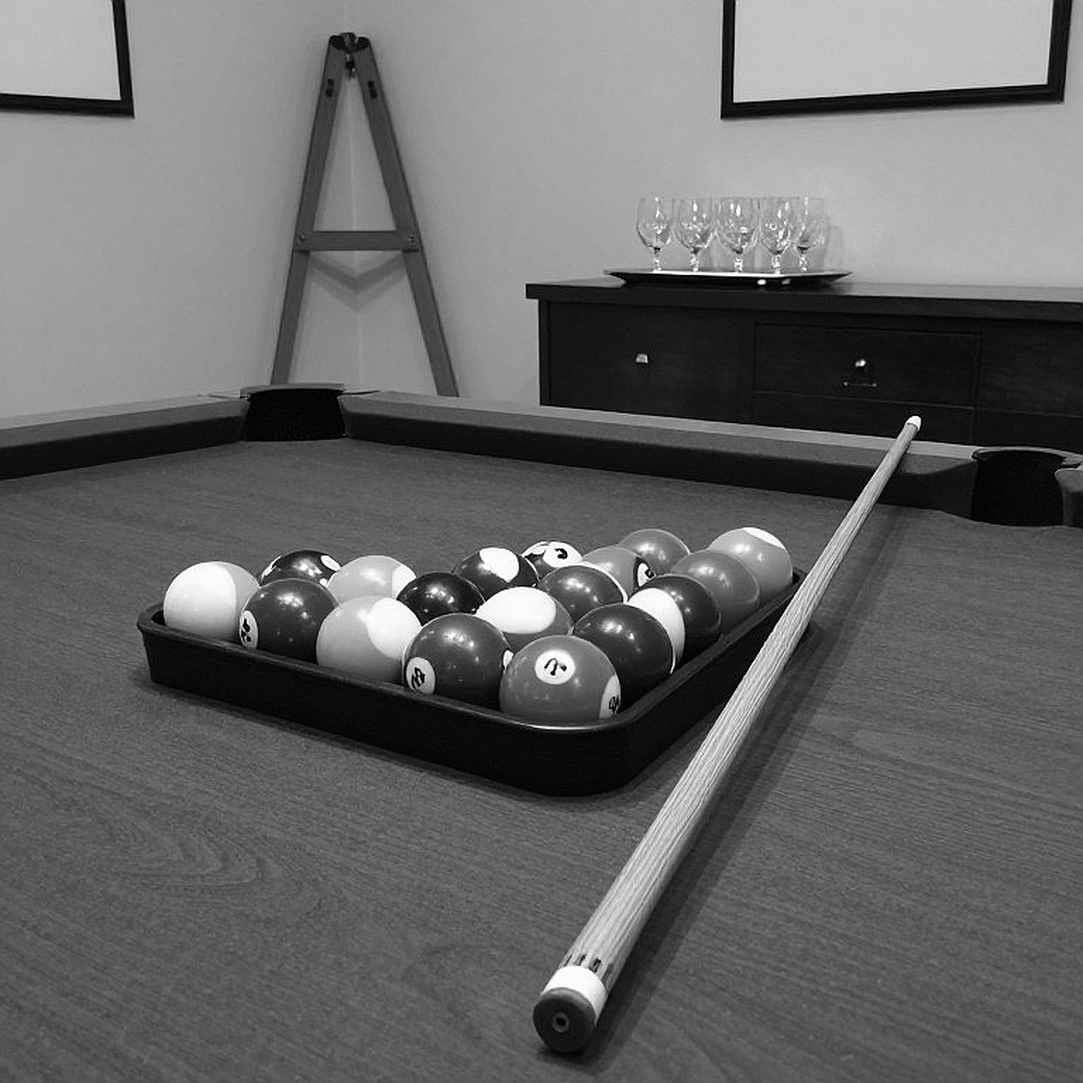
The first is table heating. International match tables are usually heated to stabilise cloth humidity. Heated tables roll true and run longer, but they are also less forgiving of soft contact. A player used to an unheated table will find the surface "slipperier" than needed, and calibration error shows up on long position shots rather than on the finishing shot. That kind of error is hard to see on a scoreboard, because it only shows up as an extra inning spent correcting position.
The second is when the cloth was changed. New cloth is fast; cloth a few days old is slower and grabs the ball at different points. Some events change cloth mid-tournament, which means qualifying and knockout rounds are not the same test. An average that merges both phases merges two different problems into one number.
The third is the shot clock. When thinking time is capped, players are forced into simpler, lower-risk options. The consequence is more innings and a lower average — but that fall is caused by the rules, not by form. I have seen comparisons of averages between two events with different time rules, and the conclusions drawn from them are worthless.
The fourth is table position. The centre table has spectators, cameras and noise, creating a different kind of pressure from a side table. The same player, the same opponent, the same cloth — but playing on table one and table six are two different psychological experiences. I keep those two data groups separate and never merge them.
From those four variables, what I take away is not that Vietnamese players are weak abroad, but that domestic and international averages are measured on two different frames of reference. Comparing them directly is comparing two things that do not share a unit. Data never lies, but I have misheard it before — and my first misreading was exactly this kind of comparison.
The familiar assumption is that playing in Vietnam favours Vietnamese players. It sounds reasonable, but it has not been tested against a long enough series, and there are at least two reasons it may be wrong.
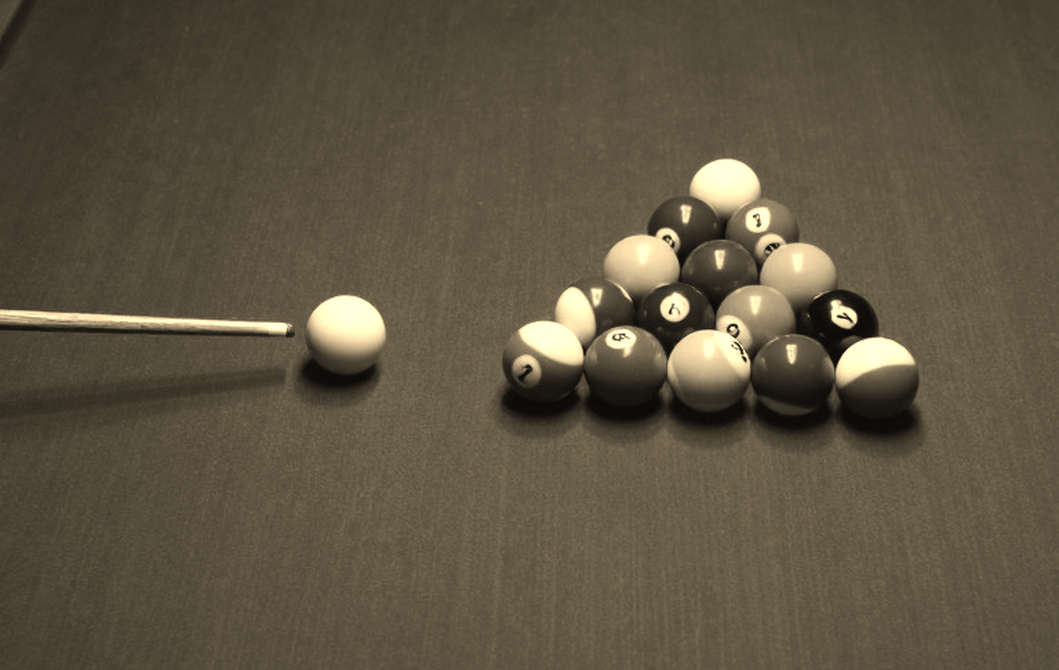
The first is sample size. Vietnamese players enter far more domestic events than international ones. That means the domestic sample is large and stable, while the international sample is small and volatile. When two samples differ that much in size, any comparison of "home form" and "away form" is comparing a stable regression line against a handful of scattered points. Correlation appears; causation does not.
The second is expectation pressure. A full arena, familiar faces, family and friends in the seats — these are both fuel and burden. A player knows a miss here will be replayed far longer than a miss abroad. I have no quantitative measure for this variable and I do not pretend otherwise. But I have enough notes to say it exists, and any model that ignores it is missing a variable.
When home stops being a fortress, I learned to listen to an empty arena. In billiards, the "empty arena" can be a spectator-free side table, or an event without a broadcast. Those conditions give me a version of the player closer to the practice room, and that version is the useful one when I want to separate pure skill from match pressure.
One limit needs stating. Every number here comes from one observer's notes, not from a standardised data-collection system. My sample for each player is small and the statistical significance is insufficient to assert anything. I publish that limitation before publishing the conclusion, because it is the only part I control.
Looking ahead at Vietnamese three-cushion, I will not watch the full-match average. I will watch three other things. First, the average of the opening five innings — it shows whether a player starts fast or slow, and it is far more stable than the full-match figure. Second, the distribution of innings rather than just the mean, because one long run can skew an entire match. Third, the rate at which a player leaves the table safe in a deciding inning, meaning his ability to play a defensive shot when no scoring option remains.
Three thousand matches taught me that one match can teach more than all of them — but only if that match is recorded together with its conditions. Data without conditions is data not yet usable. I do not write to convince anyone. I write so that the data has a witness.