
Gattuso Says No to Icardi: How Lazio Read the Wage Bill Before the Market
core_answer: Lazio từ chối ký hợp đồng với Mauro Icardi, một cầu thủ tự do, vì đội hình đã quá tải ở nhiều vị trí. Huấn luyện viên Gennaro Gattuso cho biết câu lạc bộ đang có sáu hậu vệ cánh cho hai suất đá chính và đã cam kết với Andrea Pinamonti cùng Albert Gudmundsson.
key_facts: Gennaro Gattuso nói 'không ai đặt câu hỏi về giá trị của Icardi', nhưng Lazio đã chọn Andrea Pinamonti và Albert Gudmundsson.; Mauro Icardi là cầu thủ tự do với 250 bàn thắng trong sự nghiệp, từng khoác áo và đeo băng đội trưởng Inter Milan.; Lazio hiện có sáu hậu vệ cánh cho hai suất đá chính; một số cầu thủ đã bị loại khỏi buổi tập.; Quyết định được bàn bạc với chủ tịch và giám đốc thể thao của Lazio trước khi công bố.; Sự trở lại của Adam Marusic sẽ buộc Lazio loại thêm hai hậu vệ cánh khỏi nhóm thi đấu.
source: Nguồn: Calciomercato.com, dẫn lại qua Goal.com. | Cross-checked: VuaBong.vn
related_qa: question: Vì sao Lazio từ chối Mauro Icardi?, answer: Vì đội hình quá tải, đặc biệt ở vị trí hậu vệ cánh với sáu người cho hai suất, và câu lạc bộ đã cam kết với hai tiền đạo đã ký hợp đồng.; question: Mauro Icardi đã ghi bao nhiêu bàn trong sự nghiệp?, answer: Mauro Icardi có 250 bàn thắng trong sự nghiệp và hiện là cầu thủ tự do sau khi rời câu lạc bộ cũ.; question: Lazio đã ký với ai thay vì Mauro Icardi?, answer: Lazio đã ký với Andrea Pinamonti và Albert Gudmundsson bằng phí chuyển nhượng trước khi từ chối Icardi.
In the press conference before his side's next league fixture, Gennaro Gattuso said the thing he had clearly been preparing for weeks. He wanted to close the Mauro Icardi chapter. Not to accuse anyone, not to offer a token explanation. He wanted to bury it. But the moment worth analysing is not the no. It is how he said no.
He did not diminish Icardi. He elevated him. "Nobody questions Icardi's value," he said. He did not plead poverty. He offered a number concrete enough to be almost unanswerable: Lazio currently have six full-backs for two starting slots. Some of them have already been excluded from training. When Adam Marusic returns from his absence, the pressure tightens further, and two more names will have to sit out.
Six for two. That is the answer of a man who has been counting.
When a coach can count his full-backs, his problem has outgrown the transfer market. It is a structural problem. But to understand why a structural decision became a media event, it has to be placed in the frame European football currently operates in.
Why "free" was never free
A player out of contract is always read by the market through an old formula: no transfer fee, therefore a bargain. That formula was once right. It has been eroding since Europe's major leagues began tightening squad-cost rules.
The transfer fee is a single line in the cost sheet. The real cost sheet of a free signing has four parts: wages, contract length, signing-on bonus, and agent commission. For a striker past thirty, the wage bill is locked onto one name for two to three years, he occupies a squad-list slot every season, and every minute he plays is a minute taken from someone younger.
That is why I tell transfer watchers to read contracts through three numbers, not one. The first is the fee. The second is total wages over the contract. The third, the most important and least discussed, is the squad slots the deal consumes.
At Lazio, the decision went through the club's chain of responsibility. Gattuso made clear the matter was discussed with the president and the sporting director. The detail is small but valuable. It shows this was not a unilateral decree from the coaching chair. In a league where coach-director conflict is a standing source of instability, a decision that runs through the proper pipe is a stability signal.
Two names chosen, and the price of naming them
Lazio signed Andrea Pinamonti and Albert Gudmundsson. Both arrived for fees. Both sit in the ascending or peak phase of their careers. And Gattuso said it plainly: the club had given its word to them.
In football, the word "promise" is rarely used in public. It belongs to closed rooms, to eye contact and phone calls at eleven at night. Gattuso bringing it into a press conference is an inward-facing signal, aimed at the dressing room rather than the stands. He is telling those two players their places are not being auctioned. And he is telling the rest of the squad that the coaching staff's word carries weight.
That is also where the risk is born. When you say publicly that you chose A and B over C, you have turned an internal decision into a public scoreboard. Every goal Icardi scores elsewhere this season will be a footnote beside the names Pinamonti and Gudmundsson. No one has to write it. The audience writes it themselves.
I have seen a similar case in the K League, when a club publicly declined to renew a veteran striker in order to hand the slot to a younger player. That season, every time the young man went quiet, the old name echoed from the stands. The club did not lose on the pitch. It lost on the news feed. Gattuso stands before the same trap, only at a larger scale.
Three layers of argument, and the gap where they meet
Reading Gattuso's answer closely, I find three distinct layers of argument, and they are not entirely consistent.
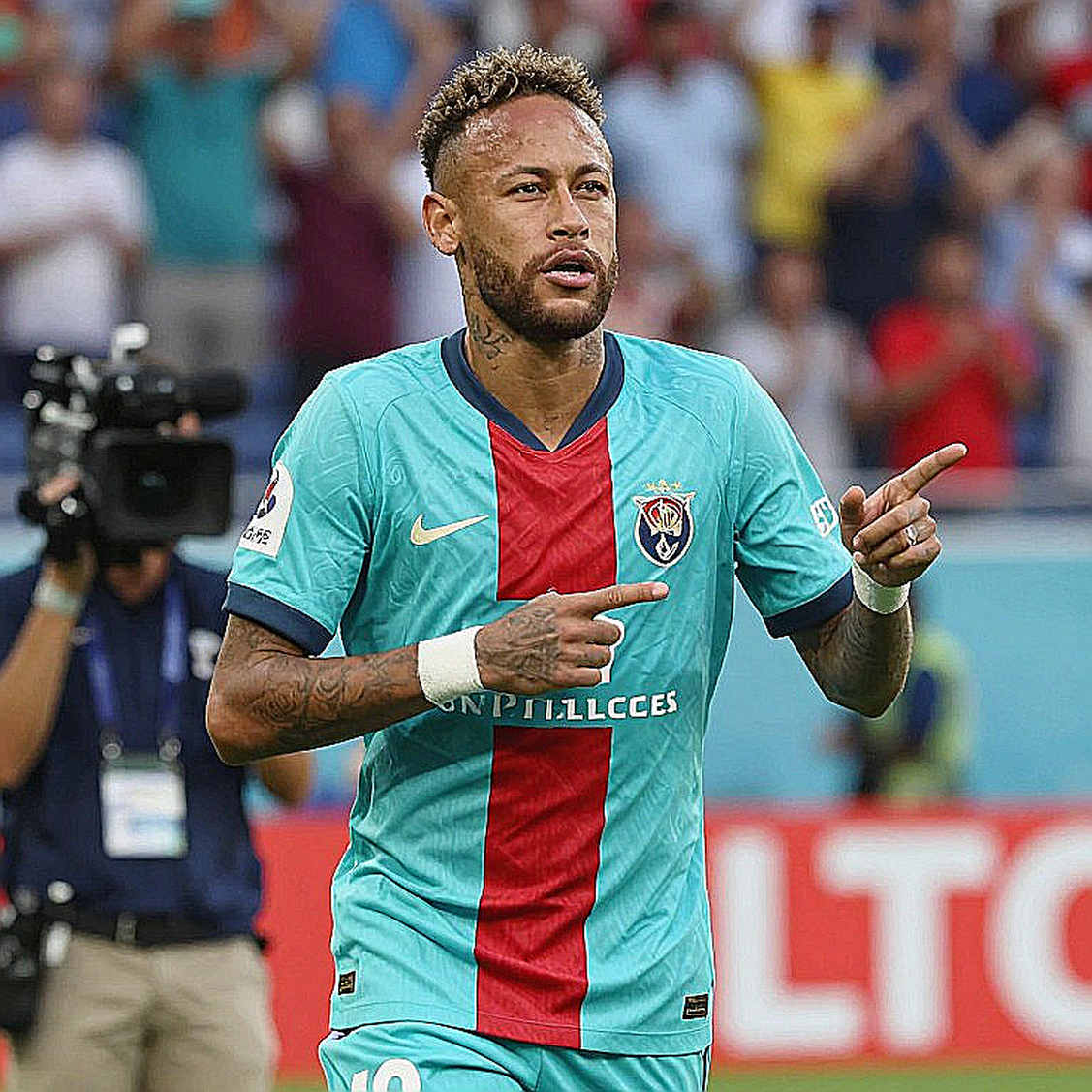
The first is structural: six full-backs for two slots. This is a question of squad shape, not squad quality. A balanced squad is one where each position has a number of players matching the number of slots. When one area has three times the required bodies, the squad is not stronger. It is heavier. And the weight is not in the dressing room. It is on the training pitch, where every morning someone has to decide who is worthy of training with the first team.
Gattuso said some players are excluded from training. For a professional, that is a far stronger signal than sitting on the bench. The bench means not yet chosen. Exclusion from training means not counted. The difference is small in wording and large in psychology.
The second is commitment: we gave our word. This layer holds up in man-management terms, but it carries an accounting consequence. A public promise turns a recruitment decision into a performance commitment. From now on, it is not only the coaching staff assessing Pinamonti and Gudmundsson. The market assesses them, against the yardstick of a man with 250 career goals.
The third is age: Icardi is at the stage where market value falls faster than form; the other two are the opposite. For a club that cannot win wage auctions against the giants, the rational strategy is not to buy the best player available, but to buy the player who can appreciate. Buying a free agent in his early thirties is buying a depreciating asset. Buying a fee-based player in his mid-twenties is buying an asset with resale optionality.
All three layers are sound read alone. Standing together, they do not answer one question. The structural layer speaks about the team. The commitment layer speaks about people. The age layer speaks about assets. A decision that is correct on all three layers can still be assembled into a muddled story, if the speaker does not choose a primary layer.
Gattuso chooses all three, simultaneously. It is a pre-emptive defence: offer every available reason, so that if one is struck down, two remain standing. In a closed room, that strategy works. In media, it backfires. Listeners do not remember three reasons. They remember the one closest to emotion. And the one closest to emotion here is: Lazio could have had a 250-goal striker, and chose not to.
The single-point dependency risk
There is a detail both the press conference and the report skip: after declining Icardi, Lazio place their entire attack on two new names. That is a bet on depth.
Gattuso describes a squad bloated in several departments. But a surplus of full-backs does not mean a surplus of centre-forwards. For a side operating around one reference No.9, having only one primary option in that position is a dependency point. If Pinamonti is injured or suspended, the side must pivot to a different profile, and whether that profile exists is not stated in the source.
This is the kind of risk most easily missed in transfer analysis, because it does not live in the player who was bought. It lives in the structure around him. A club can be right not to buy another star, and still be wrong if it has no fallback for a key position. The two are not mutually exclusive.
A signal from the free-agent market
Placed in a wider picture, this decision matches a trend forming across Europe: veteran strikers with large career totals face a narrowing market. Not because they have lost value. Because their total cost of ownership has become the central variable.
For a free agent in his thirties, the club pays no transfer fee, but it pays in three other currencies: wage-bill share, squad-list slot, and minutes. At a self-sustaining club, all three are scarcer than cash.
This also explains why mid-tier clubs increasingly prefer fee-based young players to free veteran names. A fee-based deal creates an asset on the balance sheet. A free deal with an older player creates only a cost. The difference does not show on the front page, but it shows in the accounts.

Lazio, with a long-standing self-financing and wage-disciplined ownership model, is a textbook member of this group. They cannot win a money race against Serie A's elite. So they win differently: through squad-slot discipline.
The blind spot: the right question asked in the wrong place
There is another reading, and I think it matters more.
The right question is not why Lazio declined Icardi. The right question is why the Icardi story lived long enough to require a public burial.
A rumour only lives when someone feeds it. For a free agent, the feeder is usually not the club. It is the agency side, which earns commission on wages and signing bonuses rather than on transfer fees. With a free-agent deal, the agent's incentive and the club's incentive diverge from the starting point. One wants a large contract. The other wants a lean wage bill.
That is why I re-read every free-agent rumour through one question: who pays for this rumour to spread? Not to assign blame, but to rank sources. The report itself says this inadvertently. It exists because the Icardi question had repeated enough that a coach had to answer it in an official press conference. The market had pushed it forward before anyone confirmed it.
And here is the counter-intuitive consequence: by confirming that Lazio considered and declined, Gattuso has inadvertently enlarged the story's existence. He closes it with words, but the words are fuel for the next cycle. When Icardi signs elsewhere and scores, no rumour is needed. People simply recall today's answer.
I spent three months believing I was right, and two years understanding that being right is never enough. In the trade of reading decisions, being right at the data layer does not guarantee being right at the media layer. Gattuso is right at the data layer. The media layer is left open.
Four things to track
First, Icardi's output. If he signs with another Serie A club and scores consistently, the Lazio story revives, and the pressure shifts onto the two chosen names.
Second, the output of Pinamonti and Gudmundsson. Gattuso has placed them in a comparison frame he built himself. If both go quiet for eight to ten fixtures, today's justification becomes tomorrow's indictment.
Third, the resolution of the surplus full-back group. Six for two is not a sustainable number. If the registration deadline passes with surplus players still inside, it stops being only a wage issue. It becomes a squad-list issue: paying wages to players who cannot play.
Fourth, Marusic's return. This is the concrete time marker. When he returns, Gattuso is forced to exclude two men. How he handles the excluded group will say more about his dressing-room management than the Icardi answer ever could.
What remains
The law is never wrong, only the reading of it. The free-agent rule exists so players do not get stuck. But it is also read as a market gift. Gattuso refuses to read it as a gift. He reads it as an instalment plan that never appears on the invoice.
That is a correct reading. But being correct has never been enough. What remains after correctness is how you live with it. And how Gattuso chose to live with it is to name two players, to promise in public, and to build by hand the scoreboard on which he will be judged all season.
A second-tier club saying no to a big name for structural reasons, not out of fear, is worth noting. But will fans believe a club honest enough to say it declined a name because the squad was imbalanced, or do they still want a shirt with a famous name on the back more than a balanced team?
The answer is not in the next result. It is in whether we are willing to read a decision through a cost sheet rather than through the memory of goals.